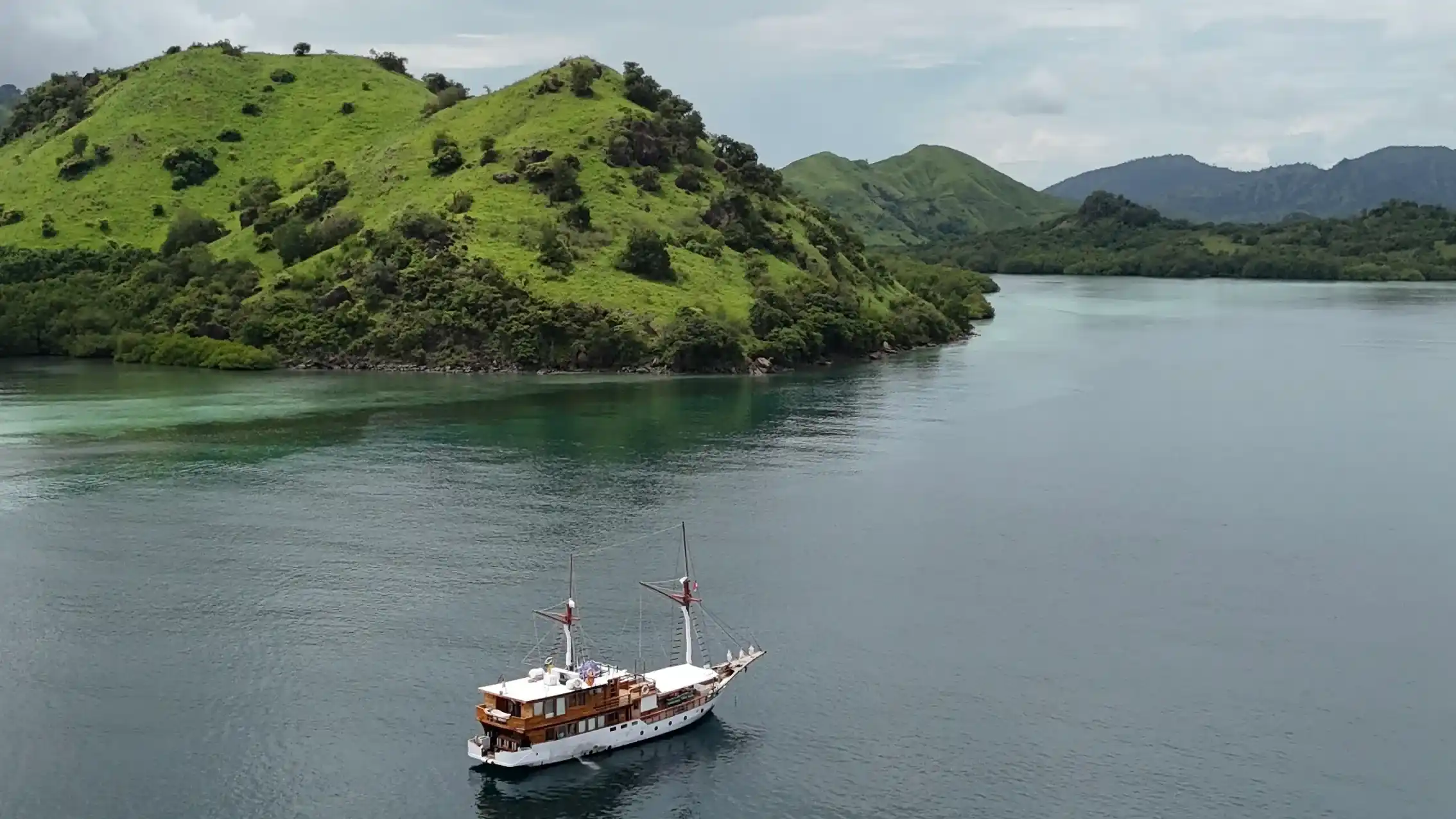
Best Time for Bali Komodo Boat Tour

The best time for Bali Komodo boat tour trips is generally April–June and September–early November, when seas are calmer, visibility is good for snorkeling and diving, and crowds and prices are moderate. July–August are excellent but busy; December–March brings more rain, wind, and occasional trip cancellations.
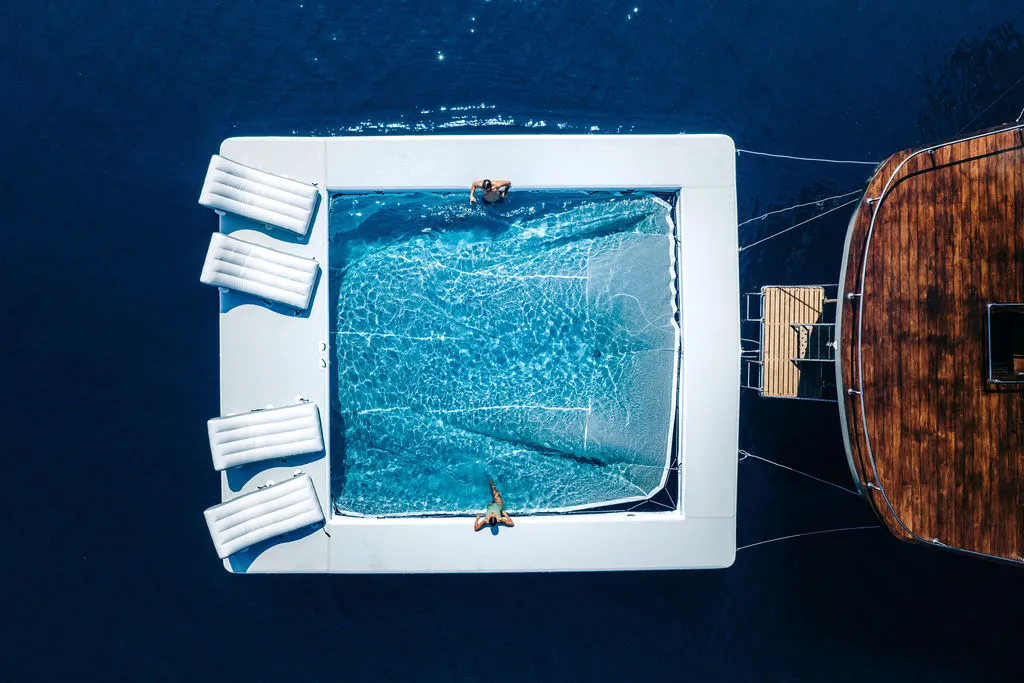
If you’re planning a Bali–Komodo trip, timing is everything. Sea conditions, visibility, manta sightings, crowds, and even how green or dry the islands look all change month by month. I run these routes regularly, and I’ll walk you through the real, on‑the‑water “best time for Bali Komodo boat tour” decisions, not just generic weather charts.

Best Time for Bali Komodo Boat Tour Overall (Quick Guide)

Let’s start with the big picture. When guests ask me “what’s the best time for Bali Komodo boat tour trips,” I break it into three simple windows:

  • April – June: My personal favorite. Seas usually calmer than early wet season, islands are still green after the rains, manta chances are good, crowds reasonable.
  • July – August: Peak holiday period. Great visibility, usually dry, but more boats, higher demand, and tighter space on popular trekking spots like Padar and Komodo Island.
  • September – early November: Excellent compromise. Sea and weather still good; slightly fewer people compared to July–August; still strong manta and snorkeling conditions.

The “less ideal” window is mid‑November – March. Trips still run, and I do sail then, but you should expect:

  • More rain and cloud cover.
  • Higher wind and swell on some days, especially on the longer Bali–Komodo legs.
  • Occasional itinerary changes or cancellations for safety.

So if you’re flexible, aim your Bali–Komodo plans between April and early NovemberBenoa–Labuan Bajo liveaboards and Labuan Bajo–Komodo short trips, because the “best time” is slightly different for each.

For more sample itineraries and boat types, you can always jump back to the Bali Komodo Boat Tour home page as you read.

Dry vs Wet Season: How Seasons Really Affect Komodo Boat Tours

On paper, Bali and Komodo share a tropical climate. On the water, they feel different. Komodo National Park sits in a drier pocket of Indonesia, so the contrast between seasons is sharp:

Dry Season (Approx. April – October)

  • Rain: Very little. Occasional showers, mostly short.
  • Visibility: Often 15–30m in places like Manta Point and Batu Bolong.
  • Sea state: Generally calmer, though July–August can be windy between islands.
  • Landscape: By August–October, islands like Padar and Kelor turn golden‑brown; earlier months they’re still green.
  • Tour activity: Busy from June–September, especially on popular routes from Labuan Bajo.

Wet Season (Approx. November – March)

  • Rain: Showers and storms more frequent, heaviest around January–February.
  • Visibility: Can drop in some bays; still good enough for casual snorkeling most days.
  • Sea state: Swell and wind increase at times, affecting crossings more than sheltered bays.
  • Landscape: Hills turn lush green; photos from Padar and Gili Lawa look very different from the dry season.
  • Tour activity: Fewer boats overall; some operators pause longer Bali–Komodo trips.

From an operator’s perspective, the “best time for Bali Komodo boat tour” is when weather, safety, and visibility all line up. That’s why we tend to concentrate liveaboard schedules in the longer dry window, and keep wet‑season operations more flexible.

Best Months for Bali–Komodo Liveaboard Cruises from Benoa Harbour

When you start your trip directly from Bali (usually Benoa Harbour in the south), the timing question becomes more important. These are longer trips, often 7–12 days, crossing a lot of open water between Bali and Flores.

How Bali–Komodo Routes Work

Most longer “Bali to Komodo” trips fall into these categories:

  • Benoa – Labuan Bajo liveaboards: One‑way Bali → Flores, usually 7–12 days, visiting islands and reefs between. You disembark in Labuan Bajo and fly back to Bali.
  • Benoa – Benoa round‑trips: Less common, but some phinisi and cruise‑style vessels run loops, typically longer and more expensive.
  • State passenger ships: Ferries like Tilongkabila and Binaiya, around 36 hours sea travel from Benoa to Labuan Bajo.

These trips usually start with embarkation at Benoa Cruise Ship Terminal / North Jetty around 15:00, and finish with disembarkation in Labuan Bajo around 08:00 plus transfer to Komodo Airport (LBJ) for your flight.

Best Time for Bali–Komodo Liveaboards (By Month)

  • April: Excellent. Wet season fading, seas calming, islands still green. My top pick if you want that lush Komodo scenery without mid‑year crowds.
  • May – June: Very good. Reliable sea conditions for crossing from Bali, good visibility, less rain, comfortable temperatures.
  • July – August: Still good, but be aware:
    • Stronger trade winds; you may feel more motion on open‑sea days.
    • Very high demand; cabins on quality boats book months in advance.
  • September – early November: Often the smoothest combination—calmer conditions than July–August, warm water, slightly fewer crowds.
  • Mid‑November – March: Selective. Some premium boats run, but:
    • Higher risk of rougher crossings Bali → Sumbawa → Komodo.
    • Schedules more prone to last‑minute weather adjustments.

If your goal is a Benoa–Labuan Bajo liveaboard in 2025–2026, I suggest targeting late April to late October, with May–June or September as the sweet spot for comfort versus crowds.

You’ll find sample liveaboard routes and departure windows described on the Bali Komodo Boat Tour home page, where we keep current examples based on actual sailing calendars.

Best Time for Labuan Bajo–Komodo Short Trips (After Flying from Bali)

Most visitors actually do this: they stay in Bali, then take a short flight to Labuan Bajo on Flores, the main gateway to Komodo National Park. From there, they join 1–4 day boat tours.

Standard Labuan Bajo–Komodo Durations

  • Day trip: ~06:30–17:00 – sunrise departure from Labuan Bajo, visit 2–4 sites (often Padar, Komodo or Rinca, Pink Beach or Manta Point).
  • 2D1N: Depart ~10:00, return ~18:00 next day – usually includes Padar sunrise, Komodo or Rinca, snorkeling stops like Pink Beach and Kelor.
  • 3D2N: Depart ~10:30, return ~12:00–13:00 day 3 – more relaxed pace, extra snorkeling and island time.
  • 4D3N: Often part of overland Lombok–Komodo–Flores combos, with more remote sites when conditions allow.

Flights from Bali (DPS) to Labuan Bajo (LBJ) take under one hour, so even if you land mid‑morning, you can usually join an afternoon or next‑day departure.

When to Go (Month‑by‑Month View for Short Trips)

  • January – February: Wettest, windiest stretch. Boats still run, but expect:
    • Higher chance of cancellation or rerouting.
    • Cloudier skies, sometimes limited visibility.

    I only recommend this if you’re flexible and understand the risks.

  • March: Transition month. Weather can swing between sunny and stormy. Good for photographers who love dramatic skies and green hills, but plans must stay flexible.
  • April: Excellent for Labuan Bajo–Komodo. Sea state usually improving, rain easing, landscape still lush.
  • May – June: Strong sweet spot:
    • Good sea conditions for reaching Padar and Manta Point.
    • Less intense heat than late dry season.
    • Not yet peak crowds.
  • July – August: Peak high season. Ideal if:
    • You book your boat early.
    • You don’t mind sharing Komodo Island pathways and Padar sunrise viewpoints with more people.
  • September – early November: Another favorite. Weather usually stable, water warm, fewer boats compared with July–August. Many guests say this “feels” like the best time for Bali Komodo boat tour add‑ons.
  • Late November – December: More variable. Early December can still be decent; Christmas–New Year gets busy again, with mixed weather.

If you are building a Bali holiday and adding a 2–4 day Komodo extension from Labuan Bajo, schedule it between May and October if possible.

What to Expect Onboard in Different Seasons

Boat type matters almost as much as timing. Around Komodo and on Bali–Flores routes, you’ll see everything from budget shared cabins to luxury phinisi yachts. Here’s how seasons affect life on board.

Traditional Phinisi Boats

These wooden boats are the icon of Komodo. Typical features:

  • Cabins: Mix of fan and AC cabins. Budget boats may have shared bunk rooms; mid‑range and higher offer private double or twin cabins.
  • Bathrooms: Shared bathrooms with western toilets on budget; ensuite on many mid‑range and luxury phinisi.
  • Outdoor spaces: Large sundecks with mattresses and beanbags, shaded dining areas, small lounge zones.

Seasonal tips:

  • Dry season: Deck is cooler and breezier; perfect for sleeping outside under the stars if your trip allows. Sun is harsh—long sleeves and reef‑safe sunscreen are essential.
  • Wet season: You use the covered deck more. Rain can push everyone inside at times, so cabin comfort and indoor space matter more.

Open‑Deck and Budget Boats

Popular for Labuan Bajo day trips and some 2D1N or 3D2N budget journeys:

  • Simple cabins or communal sleeping areas, fans instead of AC.
  • Shared bathroom facilities.
  • Basic but filling meals (typical Indonesian dishes: nasi goreng, mie goreng, grilled fish).

These work best between April and October. In stronger winds or rain (especially January–March), you’ll feel motion more and have less dry space.

Premium and Cruise‑Style Liveaboards

These include upscale phinisi and small expedition ships:

  • Private ensuite cabins with AC, often hot showers.
  • Indoor lounges and dining rooms, plus large outdoor decks.
  • Dedicated dive deck for those on diving itineraries.

On these boats, I’m more comfortable sailing later into the wet season, simply because the design handles swell better and guests have indoor comfort even during squalls. Expect per‑person trip costs broadly from the high hundreds into the low thousands of USD for multi‑day Bali–Komodo itineraries, depending on duration and inclusions.

Weather, Wildlife, and Activity Highlights by Season

The same route can feel very different depending on whether you go in May or October. Here’s what changes most for popular spots like Padar, Komodo, Pink Beach, Manta Point, and Kelor.

Padar Island Trek

  • Dry season: Clear sunrise views, but hotter and dustier midday. Hills turn golden by late season.
  • Wet/transition season: Cooler air, greener hills, but higher chance of cloud cover at sunrise.

If you hate hiking in intense heat, choose April–June or September. July–August is OK, but you’ll want a very early start from the boat.

Komodo Dragons (Komodo or Rinca Island)

Dragons are present year‑round, but behavior can change with temperature:

  • Cooler, cloudier days: You might see more dragons moving along the trails.
  • Very hot days: They rest more in the shade near ranger stations.

Mating and nesting seasons can affect sightings in certain areas; local rangers adjust walking routes based on current conditions. Check up‑to‑date notes from Indonesia’s official tourism site and your operator before you go.

Snorkeling and Manta Point

  • Dry season (especially May–October): Generally better visibility at sites like Manta Point, Siaba, and Kanawa. Good chance to see mantas gliding through cleaning stations when currents and plankton line up.
  • Wet season: More plankton at times, which mantas love, but visibility can drop. Surface chop can make some guests less comfortable in the water.

For first‑time snorkelers, I recommend going when seas are calmer—again, that April–October band. Water temperatures usually sit around 26–29°C, but currents can be strong year‑round, so guides choose entry points carefully.

Island Hopping: Pink Beach, Kelor, and Neighbors

  • Pink Beach: The color stands out more under bright, dry‑season sun and clear water, but the sand hue is there across seasons.
  • Kelor Island: Short hill trek for a wide bay view. During wet season the path can be a bit slippery; in dry season dusty but easy.

Because most of these islands are relatively close together within Komodo National Park, you feel seasonal changes less here than on the open‑sea stretches between Bali and Flores.

Cost, Crowds, and Booking Timing

Timing your trip for comfort is one thing; timing for budget is another. Over the last few years, here’s what I’ve observed for “best time for Bali Komodo boat tour” if you’re cost‑conscious.

High Season (June – August, Christmas – New Year)

  • Flights Bali ⇄ Labuan Bajo busier and generally higher in price.
  • Many good mid‑range and premium boats booked weeks to months ahead.
  • Popular 3D2N and 4D3N routes from Labuan Bajo can sell out, especially on weekends.

If you’re traveling in this window, lock in your preferred boat and cabin as early as possible, especially for private charters.

Shoulder Season (April–May, September–early November)

  • Often the best value: slightly more availability without sacrificing conditions.
  • More chance to choose cabin types and routes (for example, including extra time at Manta Point or quieter bays).

This is where I steer most guests who ask for the “smart” months for Bali–Komodo trips in 2025–2026.

Low / Wet Season (Mid‑November – March)

  • Lower demand and potentially better deals on some boats.
  • But: higher risk of weather disruption, and some operators don’t sail full schedules.

I only suggest this for flexible travelers who understand that itineraries can change, sometimes the day before departure.

Putting It Together: How to Choose Your Perfect Time

To summarize the best time for Bali Komodo boat tour planning, match your priorities with these windows:

  • I want the calmest possible conditions for a Bali–Komodo liveaboard from Benoa: Aim for May–June or September.
  • I’m adding a 3D2N Komodo trip onto my Bali holiday: Target May–October, avoiding peak school holidays if you dislike crowds.
  • I love green landscapes and don’t mind some rain: Consider late March–April or late November–December, but be ready for weather swings.
  • I’m focused on snorkeling and mantas from Labuan Bajo: Go between May and October for the best balance of visibility and comfort.

If you’re still unsure, share your preferred month and how many days you have. Based on actual recent sailings, we can advise whether to route you via Benoa Harbour Bali to Labuan Bajo on a liveaboard, or simply fly Bali–Labuan Bajo and focus your time inside Komodo National Park.

You can browse current route examples and boat categories on the Bali Komodo Boat Tour home page, then contact us with specific dates so we can cross‑check seasonal patterns for that week.

Ready to Plan? Talk to a Planner Who Actually Sails These Routes

Choosing the best time for Bali Komodo boat tour trips is easier when you talk to someone watching weather, sea conditions, and boat schedules every week. Tell us your month, group size, and whether you prefer a simple Labuan Bajo–Komodo 3D2N trip or a longer Benoa–Labuan Bajo cruise.

Contact & trip inquiry:
WhatsApp: +62 811-9994-1919
Email: sales@indonesiajuara.asia
Reference code:

Plan your trip

Share your rough dates for 2025–2026, and we’ll help you match them with the right route, boat type, and season so you get the Komodo experience you actually want, not just whatever happens to be available last minute.

Instagram·Facebook·YouTube·TripAdvisor
Editorial disclosure: Bali Komodo Boat Tour is an independent guide. Some links may be affiliate or partner referrals. Information is researched and fact-checked but provided without warranty; verify current details before booking.
💬