Karang Makassar
Bali Komodo Boat Tour: Manta Point & Wildlife
A bali komodo boat tour manta point trip combines Bali–Komodo cruising or short Labuan Bajo–Komodo hops with a specific focus on snorkeling with manta rays, seeing Komodo dragons, and enjoying island stops like Padar, Pink Beach, and Kelor while staying on a shared or private boat with meals and basic comforts included.
Quick Answer
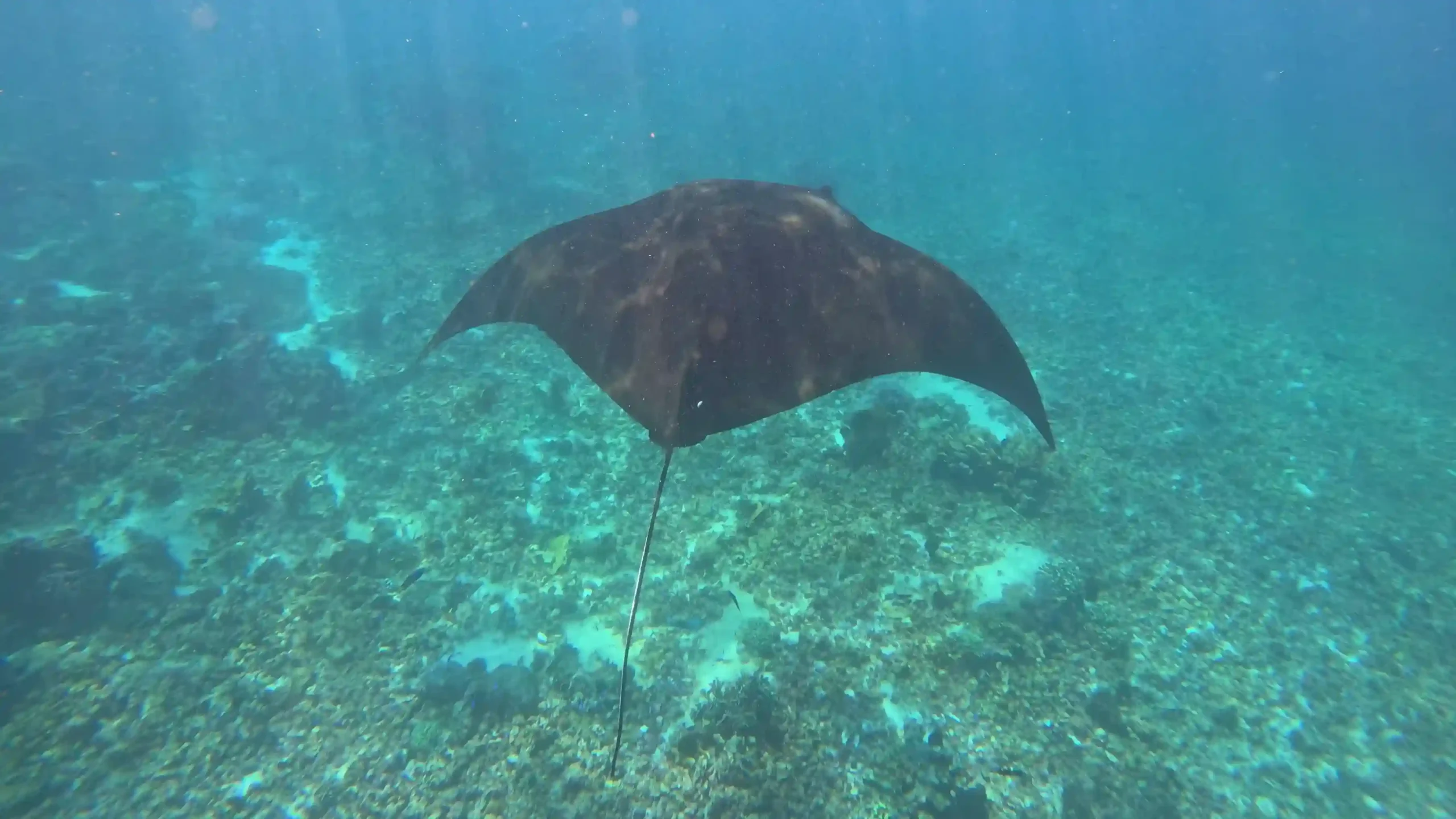
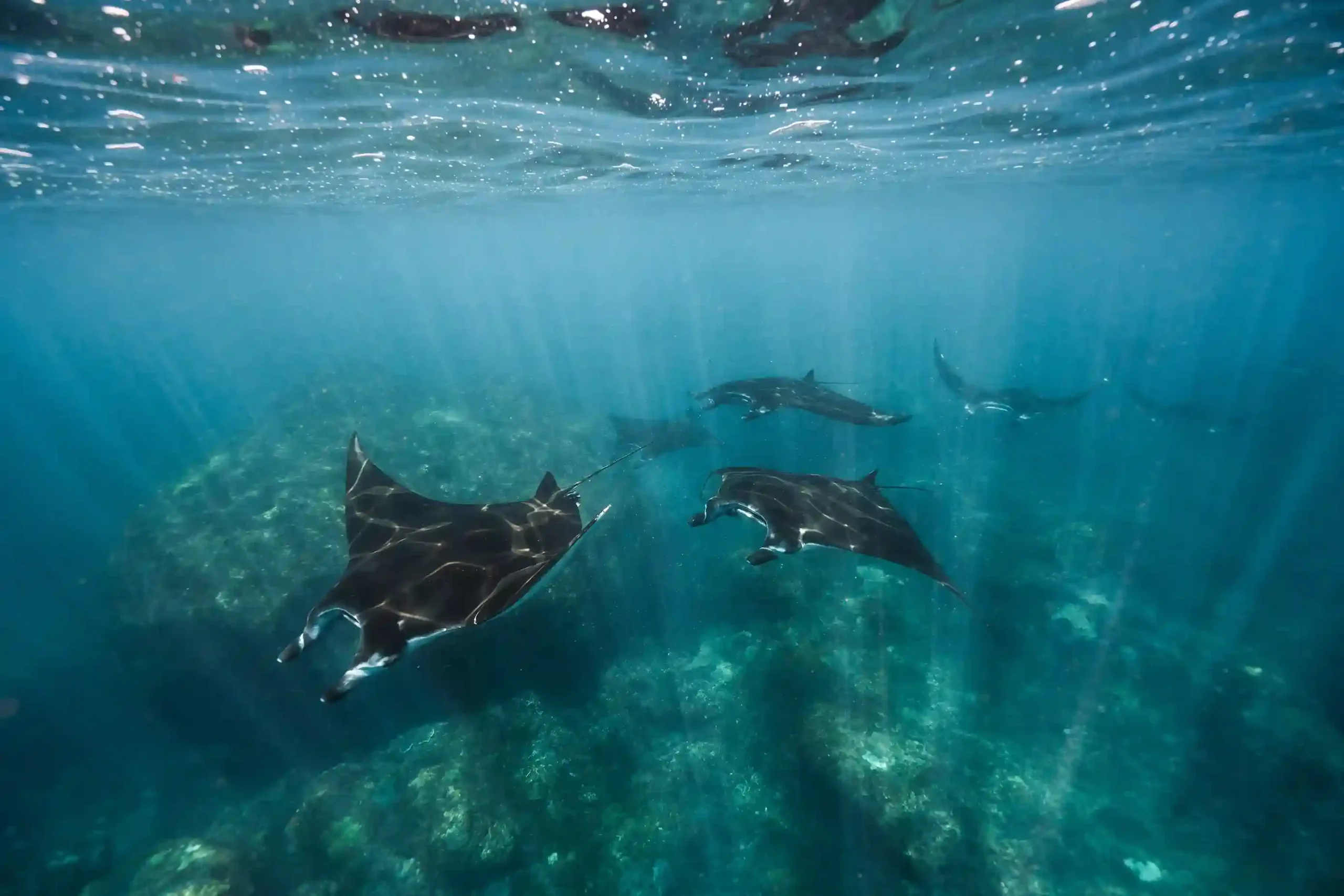
Manta Point in Komodo National Park, often called "Makassar Reef" by crews, is a shallow channel where manta rays gather to feed and visit cleaning stations.
Conditions
What Actually Happens at Manta Point
Currents and how the drift works
Currents can be strong — that is exactly what feeds the site. The boat stops upstream, the guide checks current and visibility, guests gear up and enter together with a surface buoy or guide float, everyone drifts watching the sandy bottom and channels for passing rays, and the boat follows at a distance and picks the group up at the end of the drift.
Water temperature and visibility
Water is generally 25–29°C but can drop a couple of degrees in upwelling periods. Visibility is variable: some days 5–10 m, other days over 20 m. Rays often still appear even on more milky days.
Responsible behaviour
Responsible crews brief guests to keep at least 3–4 m away from the rays, avoid chasing them, and not to dive down over the top of the animals. Flash photography is discouraged, and absolutely no touching is permitted.
Seasonality
Mantas are present year-round at Manta Point, with the strongest numbers December–February. Nearby Mawan and Taka Makassar offer bonus chances the same day.
Two Routes
Two Main Ways to Reach Manta Point from Bali
You will either travel by liveaboard from Bali or fly to Labuan Bajo and join a shorter trip. Both end up in Komodo National Park; they just differ in time and budget.
Liveaboard Bali–Komodo via Benoa Harbour
Benoa Harbour in South Bali is the key port for longer Bali–Komodo voyages. Embarkation is usually around 15:00 from the Benoa Cruise Ship Terminal / North Jetty, ending in Labuan Bajo with disembarkation around 08:00 and a transfer to Komodo Airport. State passenger ships like Tilongkabila and Binaiya need about 36 hours just to cross Benoa–Labuan Bajo; private liveaboards stretch that into 7–12 days with multiple island stops. On these longer trips you do not just hit Manta Point once and leave — manta snorkeling can be built into the program in the park and, in season, at other channels or cleaning stations along the Flores Sea route.
Fly Bali–Labuan Bajo, Then Join a Short Komodo Cruise
The option most guests choose for a manta focus: take a short flight and keep your time on the boat concentrated in Komodo National Park. Bali (DPS) to Labuan Bajo (LBJ) is usually under one hour of flying time with several departures daily, and Labuan Bajo Harbour is the main jumping-off point for all Komodo tours. Manta Point is typically featured on 2+ day trips and some day tours. A day trip runs ~06:30–17:00 on a very packed schedule; 2D1N departs around 10:00 and returns about 18:00 the next day; 3D2N departs around 10:30 on day 1 and returns 12:00–13:00 on day 3, giving more time at Manta Point and around Kelor and Kanawa.
Beyond the Mantas
Wildlife Beyond Manta Point
Komodo dragons (Komodo & Rinca)
Ranger-guided walks on both islands. Rinca generally offers more varied wildlife — buffalo, monkeys, birds — while Komodo Island has the classic long trail and the iconic landscape.
Reef stops & beaches
Pink Beach, Kelor and more: shallow, calm reef with dense coral gardens, plus short hill hikes with wide views over the bays.
Padar Island sunrise or sunset
The three-bay panorama, 20–40 minutes up a stepped trail. Overnight itineraries schedule it at first light.
The park's reefs
Among Indonesia’s healthiest, with turtles, reef sharks and hundreds of fish species in 20–30 m visibility during dry season.
Kalong Island at dusk
Tens of thousands of flying foxes lifting off the mangroves across the sunset. Overnight guests only.
The daily rhythm
Morning for hikes and the calmest water; midday for snorkelling and lunch underway; late afternoon and evening for deck time, sunset and the night sky.
Fitness & Packing
Safety, Fitness & Practical Tips
Snorkeling stops at Manta Point are timed around tides and run as guided drifts, with the boat following at a distance. Your guide checks current and visibility before anyone enters the water.
You do not need to be a strong swimmer — life jackets are available and a crew member stays beside less confident snorkelers — but you should be comfortable floating in open water while the current carries you.
Divers seeking dedicated drift dives should book specialist dive operators; our snorkel stops prioritise safety and relaxed water time.
- Reef-safe sunscreen, a hat, sunglasses and a rash vest for long sessions
- Your own mask if you are particular about fit
- A dry bag for electronics, and a power bank
- Motion-sickness tablets if you are prone, taken 30–60 minutes before departure
FAQ
Frequently Asked Questions
Do I need a diving licence to see the mantas?
Are sightings guaranteed?
How strong are the currents?
What are the rules around the rays?
When is the best time for mantas?
Related
Keep Reading
Packages & Pricing
Every package at a glance, from USD 90 to a private charter.
ReadBoats & Options
All six fleet classes compared, with what each one buys you.
ReadItinerary & Route
Every route we sail, from a one-day sprint to a 9D8N crossing.
ReadBali Komodo 3D2N
What really happens onboard across three days and two nights.
ReadBali Komodo 4D3N
The four-day version, and where Benoa fits in.
ReadPrivate Charter
Charter types, routes and what shifts the budget.
ReadWildlife First
Planning Your Bali–Komodo–Manta Trip
Tell us your budget and comfort expectations and we will match them to a realistic manta- and wildlife-oriented plan.