
Month by Month
Best Time for Bali Komodo Boat Tour
The best time for Bali Komodo boat tour trips is generally April–June and September–early November, when seas are calmer, visibility is good for snorkeling and diving, and crowds and prices are moderate. July–August are excellent but busy; December–March brings more rain, wind, and occasional trip cancellations.
Quick Guide
Sea conditions, visibility, manta sightings, crowds, and even how green or dry the islands look all change month by month. Here are the real, on-the-water decisions, not generic weather charts.
Dry vs Wet
How Seasons Really Affect Komodo Boat Tours
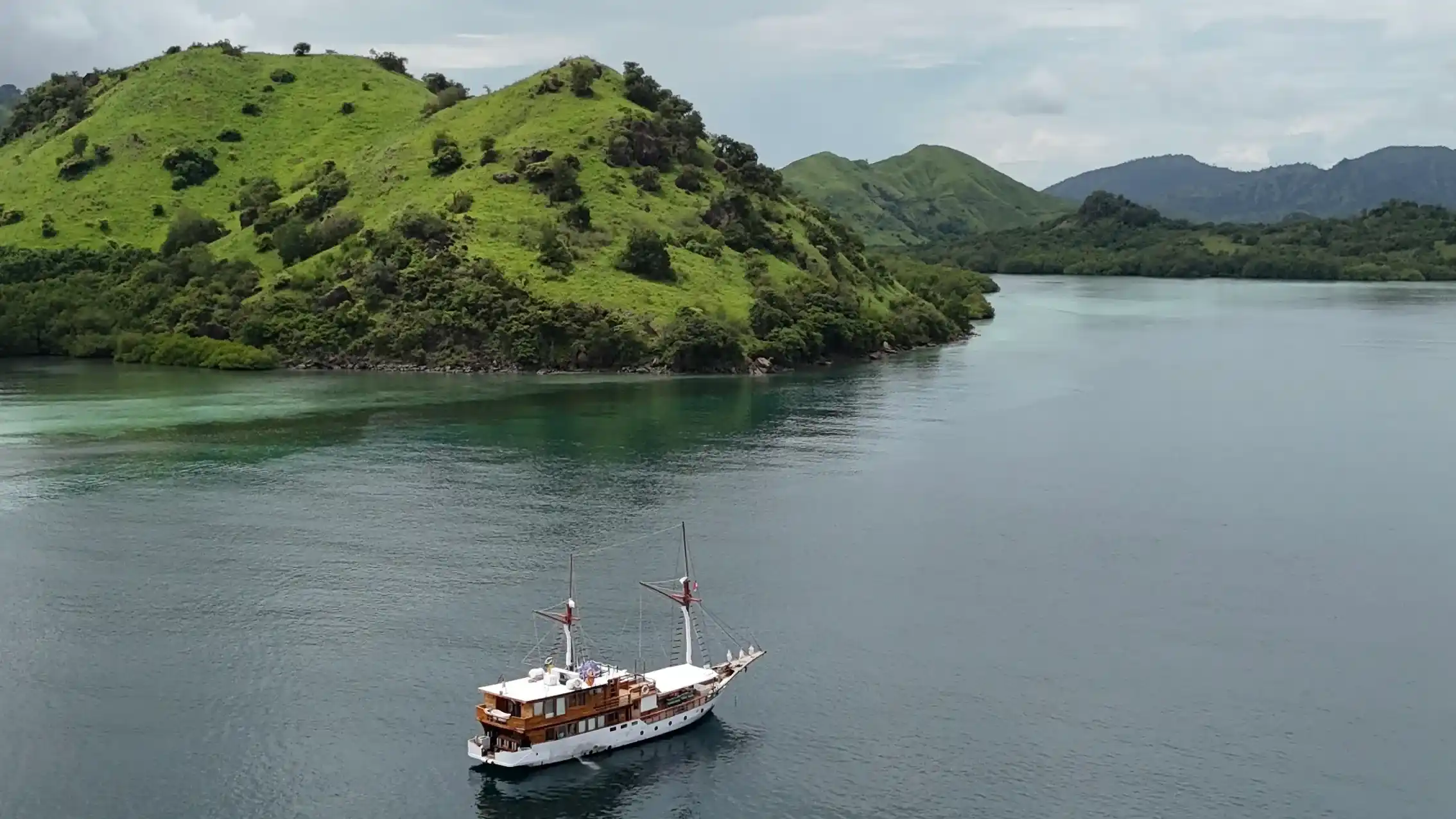
On paper, Bali and Komodo share a tropical climate. On the water, they feel different. Komodo National Park sits in a drier pocket of Indonesia, so the contrast between seasons is sharp.
Dry Season (approx. April – October)
Rain: very little, with occasional short showers. Visibility often 15–30 m in places like Manta Point and Batu Bolong. Sea state generally calmer, though July–August can be windy between islands. By August–October, islands like Padar and Kelor turn golden-brown; earlier months they are still green. Busy from June–September, especially on popular routes from Labuan Bajo.
Wet Season (approx. November – March)
Showers and storms more frequent, heaviest around January–February. Visibility can drop in some bays but is still good enough for casual snorkeling most days. Swell and wind increase at times, affecting crossings more than sheltered bays. Hills turn lush green, and photos from Padar and Gili Lawa look very different from the dry season. Fewer boats overall; some operators pause longer Bali–Komodo trips.
Benoa liveaboards, by month
April is excellent — wet season fading, seas calming, islands still green. May–June very good, with reliable sea conditions for the crossing. July–August still good, but stronger trade winds mean more motion on open-sea days and cabins on quality boats book months in advance. September–early November is often the smoothest combination. Mid-November–March is selective: some premium boats run, but with higher risk of rougher crossings and schedules prone to last-minute weather adjustments.
Labuan Bajo short trips, by month
January–February is the wettest, windiest stretch: boats still run, but expect a higher chance of cancellation or rerouting, cloudier skies and sometimes limited visibility. The rest of the dry window is reliable, and flights from Bali take under one hour, so even a mid-morning landing usually connects to an afternoon or next-day departure.
Cost & Crowds
Season, Crowds and Booking Timing
| What Matters | What to expect | When to book |
|---|---|---|
| High season (June – August, Christmas – New Year) | Great visibility, usually dry, but more boats, higher demand, and tighter space on Padar and Komodo Island | Cabins on quality boats book months in advance |
| Shoulder season (April–May, September–early November) | Same dry-season conditions with better cabin availability and occasional rate flexibility | 4–8 weeks ahead is usually enough |
| Low / wet season (mid-November – March) | Fewer boats, lush green hills, strong manta activity, but rougher crossings and possible reroutes | 3–7 days out is often possible |
| Benoa liveaboards specifically | Open-water legs are the limiting factor, not the park itself | Target late April to late October; May–June or September is the sweet spot |
From an operator’s perspective, the best time is when weather, safety, and visibility all line up. That is why we concentrate liveaboard schedules in the longer dry window, and keep wet-season operations more flexible.
By Activity
Weather, Wildlife and Activity Highlights by Season
Padar Island trek
Green and dramatic in April–June, golden-brown from August–October. Sunrise or early morning light works best in any month; the trail is short but steep.
Komodo dragons (Komodo or Rinca Island)
Resident year-round — they do not migrate or hibernate. Often more active in cooler, overcast weather than in fierce dry-season heat. Rangers guide every trek regardless of season.
Snorkeling and Manta Point
Visibility is best in the dry season, often 15–30 m. Manta rays are present year-round, with especially strong numbers December–February for travellers who do visit in the wet season.
Island hopping: Pink Beach, Kelor and neighbours
Reliable throughout the dry window. In the wet season, sheltered bays are usually fine even when crossings are livelier.
If you are flexible, aim your Bali–Komodo plans between April and early November. The exact best time differs slightly between Benoa–Labuan Bajo liveaboards and Labuan Bajo–Komodo short trips.
Putting It Together
How to Choose Your Perfect Time
If you want lush green scenery without mid-year crowds, April is the top pick. If you want the most reliable sea state for a long crossing, May–June or September. If your dates are fixed in July–August, book early and accept more boats on the water.
If you are travelling in the wet season, keep the itinerary short and based out of Labuan Bajo rather than committing to an open-water Benoa crossing.
We run these routes regularly, and we will tell you plainly if your dates carry weather risk before you pay anything.
- Flexible dates: April to early November
- Fixed July–August dates: book cabins months ahead
- Wet-season travel: short trips from Labuan Bajo, not a Benoa crossing
FAQ
Frequently Asked Questions
What is the single best month?
Can I still go in January or February?
When is visibility best for snorkelling?
When are manta rays most reliable?
How far ahead should I book for July or August?
Related
Keep Reading
Diving & Snorkeling
Dive days, snorkel days, and the signature sites.
ReadFor Couples & Honeymoon
Which boats feel romantic, and which feel crowded.
ReadFor Families
Safe, easy trips with kids — durations, boats and cabins.
ReadFor Groups
How per-boat pricing splits, and when private wins.
ReadWhat's Included
What the price covers, and the costs you pay on top.
ReadWhat to Pack & Prepare
The full packing list, plus what you can safely leave behind.
ReadTalk to a Planner
Talk to a Planner Who Actually Sails These Routes
Tell us your travel window and we will tell you plainly what conditions to expect — and if your dates carry weather risk, we will say so before you pay anything.